


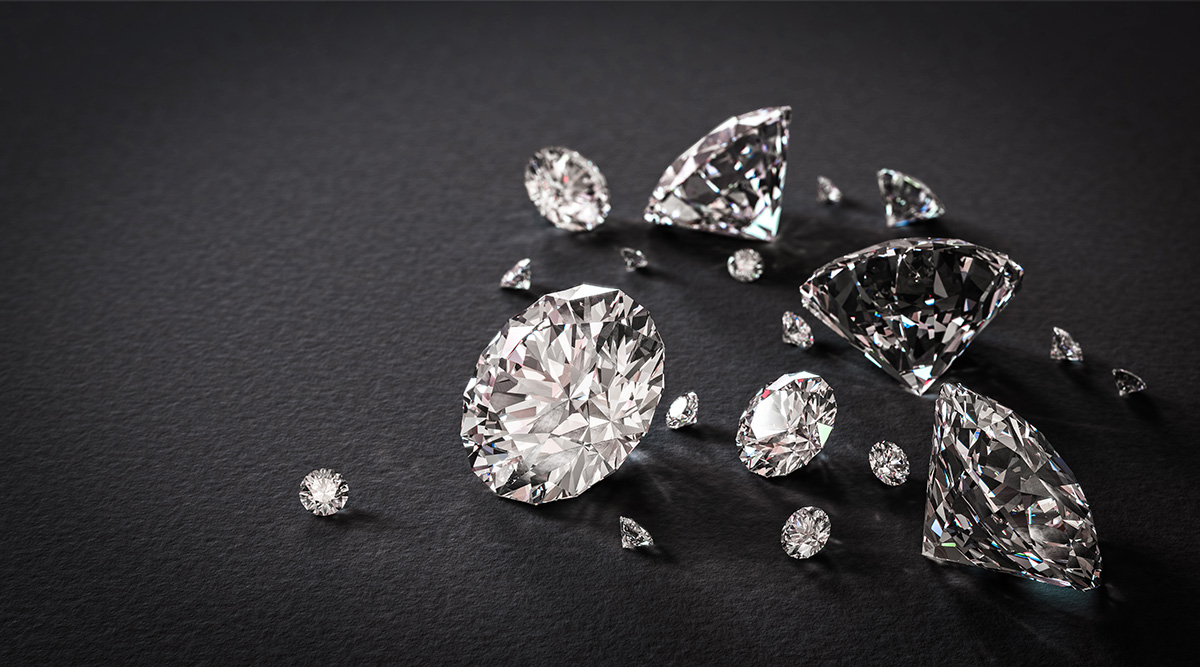
Diamonds have long been a symbol of love, wealth, and luxury. However, not all diamonds share the same story. The global diamond industry has faced years of scrutiny for the dark realities behind certain stones known as blood diamonds. These diamonds are mined in war zones and sold to finance armed conflict against governments. On the other side of the spectrum are lab grown diamonds, a modern alternative that offers beauty and brilliance without the human or environmental toll.
Table of Contents
Understanding Blood Diamonds
The term blood diamonds refers to natural diamonds that are mined under conditions that violate human rights. These stones often come from conflict regions, especially in parts of Africa, where rebel groups use the profits to fund violence. Workers in such mines frequently face dangerous conditions, little to no pay, and physical abuse.
The international community has taken steps to limit the trade of blood diamonds. The Kimberley Process Certification Scheme was established in 2003 to ensure that diamonds entering the market are conflict free. While this system has helped reduce the flow of conflict stones, critics argue that it is not foolproof. Loopholes and lack of transparency still allow some blood diamonds to enter the market disguised as legitimate stones.
Environmental and Human Costs of Blood Diamonds
Beyond the human suffering, traditional diamond mining often has a devastating impact on the environment. Large scale mining disrupts ecosystems, causes soil erosion, and pollutes water sources. In some cases, mining operations have displaced entire communities, leaving behind long term social and ecological damage.
The high demand for diamonds in engagement rings and luxury jewelry means that these harmful practices continue, despite global awareness campaigns. For socially conscious buyers, this presents a moral dilemma: is the beauty of a natural diamond worth the potential cost in human lives and environmental destruction?
The Rise of Lab Grown Diamonds
Lab grown diamonds offer a solution to this ethical challenge. Created in advanced laboratories, these diamonds are physically, chemically, and optically identical to mined diamonds. They are grown using two main methods: High Pressure High Temperature (HPHT) and Chemical Vapor Deposition (CVD). Both processes replicate the natural conditions under which diamonds form in the Earth’s mantle, but without the destructive mining process.
One of the main advantages of lab grown diamonds is that they are conflict free by nature. Because they are produced in controlled environments, there is no link to war, human rights abuses, or exploitative labor. For many consumers, this peace of mind is a deciding factor when choosing between natural and lab grown stones.
Environmental Benefits of Lab Grown Diamonds
Lab grown diamonds have a much smaller environmental footprint compared to mined diamonds. They do not require large scale excavation, deforestation, or the use of heavy mining equipment. Additionally, water usage is significantly reduced. While lab production does require energy, technological advancements and the use of renewable energy sources are making the process increasingly sustainable.
Some producers now operate entirely on solar or wind power, further reducing the carbon footprint of their diamonds. This makes lab grown stones an appealing option for environmentally conscious buyers who want to enjoy luxury without contributing to ecological harm.
Quality and Value
One common misconception is that lab grown diamonds are of lower quality than mined diamonds. In reality, they are graded by the same standards used for natural stones: cut, color, clarity, and carat weight. Many lab grown diamonds are virtually flawless, as the controlled environment allows for fewer inclusions and imperfections.
In terms of value, lab grown diamonds are typically more affordable than mined diamonds of similar quality. This price difference allows buyers to either save money or purchase a larger, higher quality stone for the same budget. However, unlike natural diamonds, lab grown stones may not appreciate in value over time, which is a consideration for buyers looking at diamonds as long term investments.
Shifting Consumer Preferences
The modern consumer is increasingly aware of the ethical and environmental issues tied to their purchases. Younger generations, particularly millennials and Gen Z, are driving the demand for sustainable and ethically sourced products. In the jewelry market, this trend is evident in the growing popularity of lab grown diamonds.
Major jewelry brands are responding by incorporating lab grown collections into their offerings. Celebrities and influencers are also playing a role in normalizing these stones, showcasing them on red carpets and social media. As awareness spreads, the stigma once associated with synthetic diamonds is fading.
Making an Informed Choice
Choosing between a natural diamond and a lab grown diamond ultimately depends on personal values and priorities. For some, the allure of a stone formed over billions of years deep within the Earth is unmatched. For others, the knowledge that their diamond is free from the stain of conflict and environmental destruction outweighs the romance of geological history.
If you decide on a natural diamond, it is essential to research the source and request certification that it is conflict free. If you choose a lab grown diamond, look for reputable suppliers who can provide details on the production process and any sustainability measures in place.
Conclusion
The debate between blood diamonds and lab grown diamonds reflects a broader shift toward ethical consumerism. While the diamond itself remains a timeless symbol of love and commitment, how it is sourced is increasingly shaping buying decisions. By choosing a lab grown diamond, consumers can enjoy the brilliance and beauty of this precious gem while supporting a more sustainable and humane jewelry industry.