
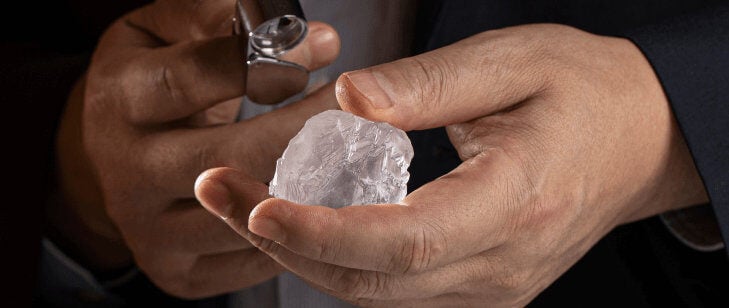
Diamonds have long been a symbol of beauty, power, and timeless love. Their sparkle has adorned engagement rings, royal crowns, and luxury jewelry pieces for centuries. However, not all diamonds come with the same story. In recent years, the world has become increasingly aware of the ethical and environmental impact of diamond mining. This awareness has given rise to important conversations about blood diamonds and the rise of lab grown diamonds as a sustainable alternative.
Table of Contents
The Dark Reality of Blood Diamonds
The term blood diamonds refers to diamonds that are mined in war zones and sold to finance armed conflict against governments. These stones are often extracted under brutal conditions, with miners facing unsafe work environments, little to no pay, and even threats of violence. Many of these diamonds have historically come from conflict areas in Africa, where profits from their sale have been used to fund wars and human rights abuses.
Beyond the human cost, the environmental damage caused by mining for blood diamonds is severe. Large-scale mining operations can destroy ecosystems, pollute rivers, and displace communities. Despite international efforts to regulate the diamond trade, such as the Kimberley Process, critics argue that loopholes still allow some conflict diamonds to enter the global market.
Lab Grown Diamonds – The Ethical Choice
Lab grown diamonds have emerged as a popular and ethical alternative to mined diamonds. These diamonds are created using advanced technology that replicates the natural conditions under which diamonds form deep within the Earth. The result is a stone that is chemically, physically, and optically identical to a natural diamond.
Because they are made in controlled laboratory settings, lab grown diamonds do not contribute to conflict, forced labor, or environmental destruction in the way traditional mining often does. They also require far fewer natural resources, making them an environmentally conscious choice.
Quality and Value Comparison
Many people are surprised to learn that lab grown diamonds have the same brilliance and hardness as mined diamonds. They are graded using the same criteria – cut, color, clarity, and carat weight – ensuring that buyers receive a gem of exceptional quality. In fact, without professional equipment, even trained jewelers often cannot distinguish between a lab grown diamond and a natural one.
One key advantage of lab grown diamonds is their price. They generally cost significantly less than mined diamonds of similar quality, allowing buyers to get a larger or higher-grade stone within the same budget. This makes them an attractive option for couples looking for affordable engagement rings or anyone who wants to invest in fine jewelry without overspending.
The Shift in Consumer Preferences
As consumers become more socially and environmentally aware, the demand for ethically sourced products continues to grow. Millennials and Gen Z, in particular, are driving the shift toward sustainable luxury. Many buyers now ask jewelers for verification that a diamond is either conflict-free or lab grown before making a purchase.
This change in mindset has prompted major jewelry retailers to expand their collections of lab grown diamonds. Marketing campaigns increasingly highlight sustainability, transparency, and ethical sourcing as selling points. Celebrities and influencers are also helping to popularize lab grown diamonds, showcasing them at events and on social media.
Challenges in the Industry
While lab grown diamonds offer many benefits, there are still challenges to consider. Some traditional jewelers argue that mined diamonds hold greater resale value because of their rarity and historical appeal. Additionally, the diamond mining industry supports the livelihoods of many workers in developing countries, and a sudden decline in demand for mined diamonds could impact those communities.
However, proponents of lab grown diamonds counter that ethical sourcing, improved labor conditions, and economic diversification could help these communities transition to more sustainable forms of income.
The Future of Diamonds
The diamond industry is at a crossroads. On one side, there is a history of beauty shadowed by conflict and environmental harm. On the other side, there is a future that embraces innovation, ethics, and sustainability. Lab grown diamonds represent a step toward that future, offering consumers a way to enjoy the elegance and symbolism of diamonds without the associated moral and ecological costs.
In the years ahead, we can expect lab grown diamonds to continue gaining popularity, both for their affordability and their alignment with modern values. While mined diamonds are unlikely to disappear entirely, the conversation around ethical sourcing will shape how they are marketed and sold.
Conclusion
Diamonds will always capture the human imagination with their brilliance and timeless charm. But as we become more conscious of the impact our choices have on people and the planet, the way we choose our gems is changing. By understanding the difference between blood diamonds and lab grown diamonds, consumers can make informed decisions that align with their values. Whether for an engagement ring, a special gift, or a personal investment, the choice between tradition and innovation is now clearer than ever – and for many, the sparkle of an ethical diamond shines brightest.