
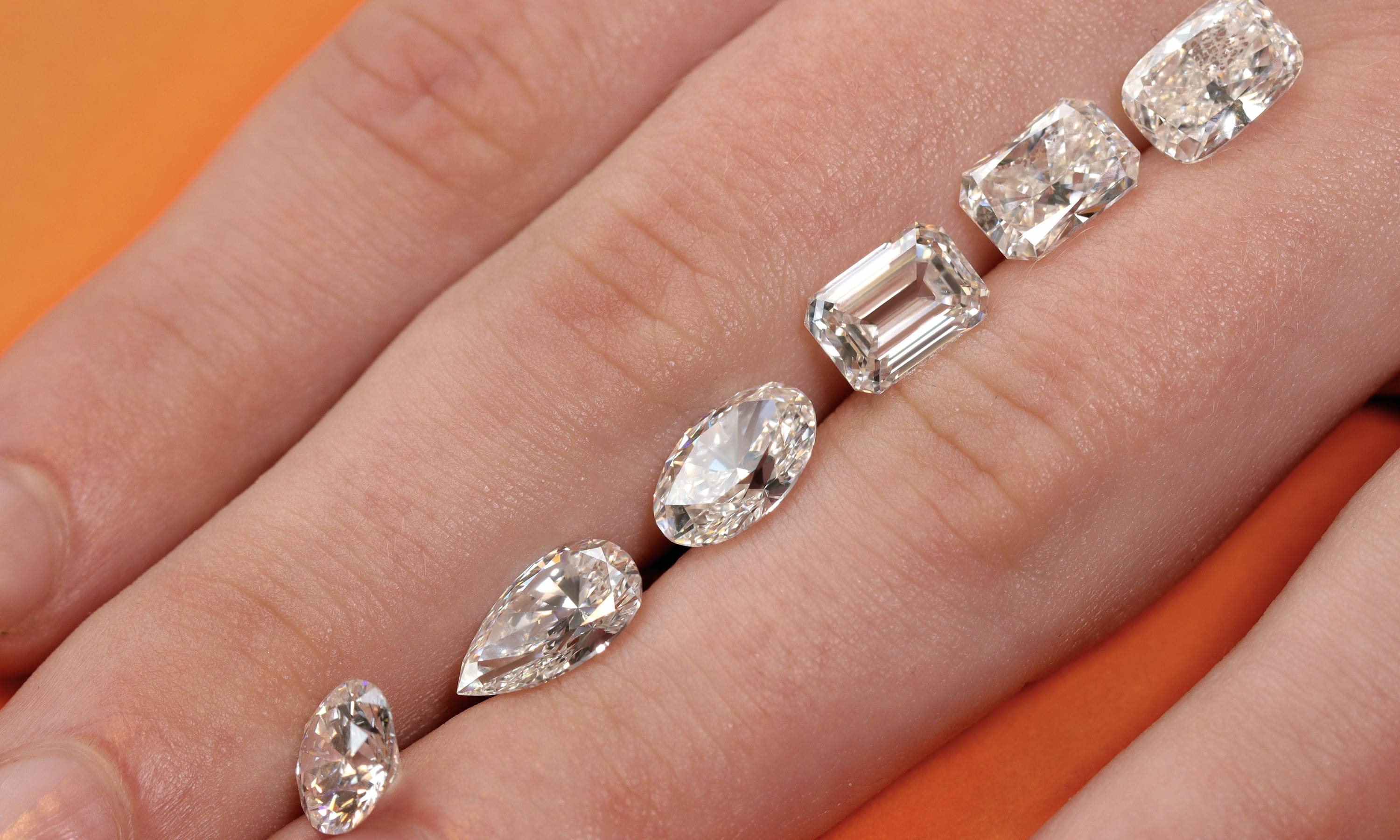
That moment sticks when you really see diamonds up close for the first time. Not quite like picking out sneakers or weighing two gadgets against each other. There’s more weight to it somehow. Could be tied to a proposal – hard to say. Perhaps this belongs to you now, after all those long stretches of effort. From the first step forward, though, one thing becomes clear: you’re entering a scene more common on screens than in life.
Here we go, breaking it down without rush or noise. Step by step, thoughts unfold in order. A quiet pace keeps things steady. Clarity comes when words stay grounded. No need for drama, just straight talk. What matters shows up when clutter stays out.
Table of Contents
Why Diamonds Feel Hard to Choose
That moment you walk into a jeweler – or open a website – strange words jump out at you. Words like cut grade, fluorescence, table percentage. They feel more like lab notes than talk about rings. You pretend to understand, even if your mind is blank. Confusion hides behind a polite smile.
Picking under stress rarely works out well. Big moments usually come with these stones – think proposals, years passing, turning points in life. Getting it correct feels necessary.
Money matters too. Reports from groups such as the Gemological Institute of America show how tiny shifts in grade affect cost. Because a minor boost in clarity might add serious cash. Sometimes just one level higher in color brings a big difference on the tag.
True, it weighs heavy at first glance. Yet when taken apart piece by piece, things start to fit together more easily.
Finding Your Way Through the 4 Cs
Chances are, you’ve come across the 4 Cs before. Think cut – then color tagging along. Clarity shows up next, followed by carat weight bringing up the rear. These aren’t flashy slogans made up to sell. Just a system – trusted everywhere – for talking diamonds.
A bright shine comes mostly from a good cut. Though size grabs attention, without proper shaping, the gem feels lifeless. Even under strong light, bad angles let brightness slip away. When choosing on a set amount, shape matters more than weight. Watch closely – your eyes will catch what numbers miss.
White tones shape how we see a diamond’s hue. Ranging from D to Z, most gems fit within this span. Once mounted, nearly colorless ones seem much alike to someone without training. This similarity tends to slip through conversations at jewelry counters.
Truth is, clarity checks flaws inside or outside. Most tiny marks? Way too small to spot alone. Need help – like tools – to catch them. A VS1 or VS2 tag means likely nothing shows up when you look. Eye won’t find it, plain sight misses it.
A stone’s heaviness comes down to carats, not how big it appears – even if those things often go together. One diamond might seem larger than another, despite both weighing the same, simply because of the way it was shaped by cutting.
True, that might seem overwhelming. Yet hitting every mark perfectly isn’t the goal. What matters shows up in how things weigh together.
The Rise of Lab Created Diamonds
Here’s a shift worth noticing – lab grown stones have reshaped how people think lately. Not mined, but made. These gems spark debate where tradition once ruled alone.
Funny thing is, lab made diamonds match natural ones right down to their chemical structure. Not the same as cubic zirconia – totally different material altogether. These aren’t imitation gems by any stretch. Real diamond crystals, just formed indoors with high tech methods instead of deep underground.
Federal Trade Commission types of groups now call lab grown stones actual diamonds if sellers explain what they are. This shift shows just how much things have changed over time.
One reason folks think about these is obvious. Another pops up when they look closer.
Here’s something to think about first: cost. Lab grown stones often run between 30 and 40 percent lower than natural ones of similar quality. Because of that gap, your money might stretch further – maybe toward more carats or fewer flaws. Size or sharpness could get better without spending extra.
Now consider openness about sources. Knowing a diamond’s origin and how it was mined puts certain shoppers at ease.
At first glance, lining them up made me pause. Nothing stood out at all. Same look on paper. Same shine when light hit. Cost? That one detail jumped right out.
Starting out in your hunt? Try looking at real stones alongside man made ones first. That way, choices come clearer later.
Planning Money Use That Feels Right Later
Maybe you’ve come across old tips suggesting how many months’ pay should go toward a ring. Toss those out.
Your numbers need to match how money actually moves for you. Forget old habits pulling at your choices. Skip what glows on screens every day. Leave behind what someone else did twelve months ago.
A useful way to handle it begins like this
Start by picking how much money feels right to spend – nothing more. Figure out a number that leaves you calm, even if life shifts. Choose it before things get busy or prices rise. Set it so your wallet stays safe, day after day. Know the top line you won’t cross, ever
A bit set aside first – covers fees and local charges. Money kept separate once sorted. Holds back what’s needed before anything else moves forward
• Focus on cut quality first
A touch of color tweak might help keep things just right. Clarity gets a small nudge into acceptable limits. A bit here, a shift there keeps performance steady. Range stays respected without heavy changes. Subtle moves do the work quietly
Check out what trusted jewelry sellers offer – they often include side-by-side comparisons and proof of quality. Their websites sometimes feature guides explaining report terms without jargon. When shopping remotely, pay attention to thorough item summaries, straightforward refund rules, plus verification papers from known labs such as the International Gemological Institute.
Take your time here. Once peace settles around money matters, everything after slips into place more smoothly.
Online Shopping Compared to In Person
These days, shopping for diamonds on the internet seems normal. Not long back, it would have sounded unwise.
A single click opens up sharp pictures, spinning views online, even paperwork you pull down to check quality. Home stays your base while eyes scan many gems inside sixty minutes flat. Clear details like that tilt things your way, quietly.
Now imagine walking into a shop. Light shifts as you move, showing diamond sparkle in daylight, then warm bulbs. A person nearby answers right away when you speak up. The ring sits in your hand – cool metal, solid weight – and you slide it on just to check how it rests.
Wrong turns happen just as often as correct ones. Online searches might come first, after that a trip to the neighborhood store seals the deal for certain buyers. Confidence builds differently though – some trust well-known websites, guided by what past shoppers have said. Length stays fixed, details stay put.
Feeling clear on things – that’s what counts, not being pushed one way or another.
Certification Required
Bold truth stands out here: without question, certification locks everything into place.
A stone that carries certification went through analysis by a lab unconnected to the seller. Its document details cut, color, clarity, carat – sometimes tagged with a distinct code.
Trusting just the seller’s promise might feel like rolling dice. Big purchases deserve better than hope – proof matters more.
A quick check first – make sure the certificate lines up with the actual gem. Sellers who stand by their work won’t mind showing proof.
That feeling matters.
Empezar a escoger un diamante is partly a technical exercise. You learn the terminology. You compare data. You calculate value. But it is also personal. It is about marking a moment in your life.
If you take your time, ask real questions, and understand what you are paying for, you will not regret your choice. Whether you choose a mined stone or explore lab created diamonds, the key is clarity. Not just in the grading report, but in your own priorities.